
DPDP Implementation and Remediation
DPDP Implementation and Remediation is about helping businesses make practical updates after identifying compliance gaps. It focuses on everyday operations like forms, internal processes, vendor handling, and data workflows.
The idea is to make improvements that fit naturally into how teams already work. Changes are introduced step by step so business activities continue smoothly. This makes DPDP compliance feel manageable and real, not like a separate project.

Download the DPDPA Guide
DPDPA can feel overwhelming when read as a legal document.
We simplified the Act, its obligations and penalties, into easy-to-understand guide for business team
DPDP Act FAQs for Businesses
Most businesses have the same questions about DPDPA. Does it apply to us? What about WhatsApp?
This PDF answers the most common, real-world questions in plain language.
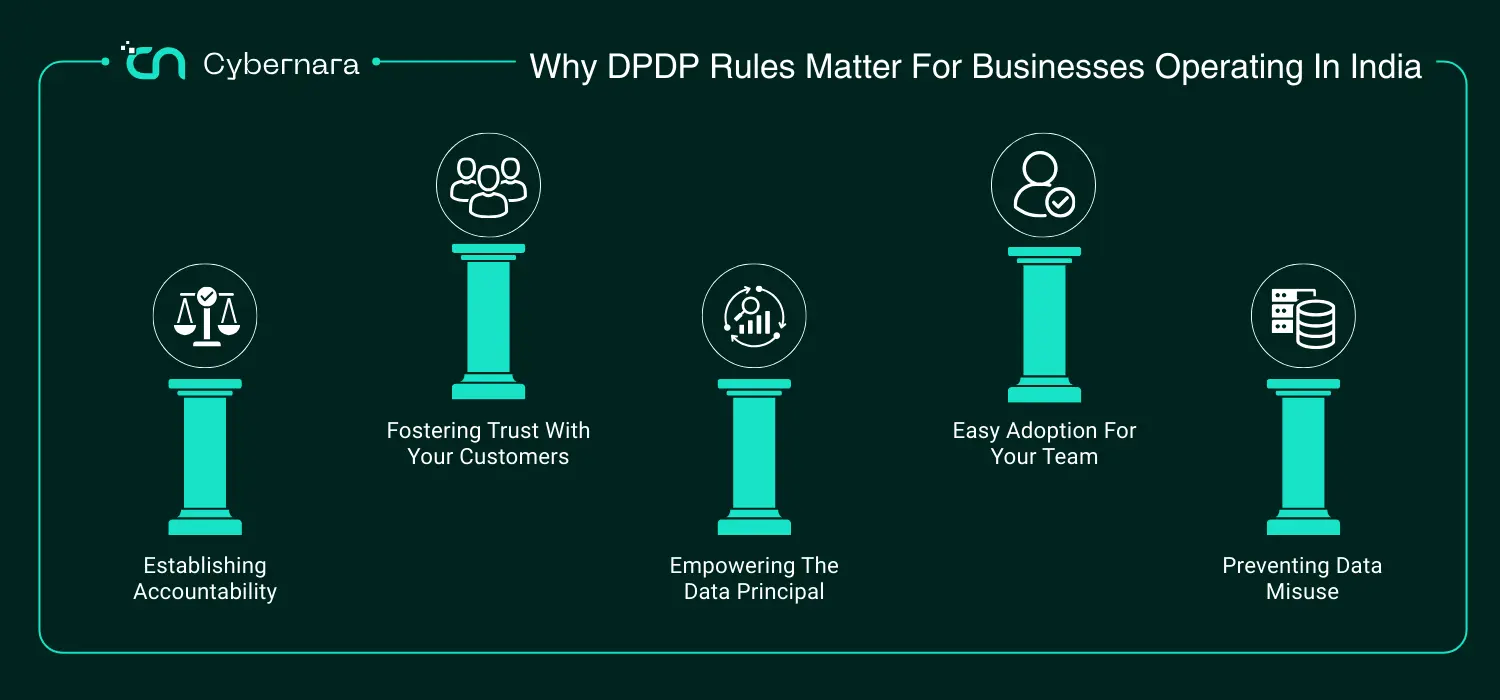
Why DPDP Rules Matter For Businesses Operating In India
The DPDP Rules businesses create accountability, protect personal data responsibly, and build stronger trust with customers. By encouraging practical adoption across teams, these rules make privacy and security part of everyday business operations rather than a one-time activity.
Why Companies Operating in India Miss the DPDP Mark
Many businesses in India already collect consent forms, store customer data, and use digital tools daily. The challenge usually is not lack of effort. It is that small operational gaps appear between teams, tools, and processes. These gaps often come from old workflows, fast growth, or vendors added over time. DPDP implementation focuses on identifying these everyday gaps and fixing them practically.
Consent Exists but the Journey is Unclear
Many companies take consent through forms or apps, but the purpose and usage are not always clearly explained. For example, a WhatsApp lead form or website inquiry may collect data without proper context. Small wording and flow changes can make this clearer for users.
Data Spread Across Too Many Tools
Customer data often lives across spreadsheets, CRMs, WhatsApp exports, email lists, and support platforms. Teams may not realise how duplicated or scattered the data has become. Implementation work helps bring visibility and control without disrupting ongoing work.
Vendor Usage is Not Fully Mapped
Businesses regularly use payroll tools, marketing platforms, cloud storage, and external agencies. Many of these vendors process personal data, but roles and responsibilities are not always reviewed. Simple vendor alignment helps reduce confusion later.
Internal Teams Handle Data Differently
Sales, HR, operations, and support teams often follow their own ways of storing or sharing information. These habits develop naturally but create inconsistency. Standardising small processes makes day-to-day handling safer and easier.
Retention and Deletion are Usually Informal
Data often stays in folders and systems longer than intended because no clear process exists to review it. This is common in growing businesses where operations move fast. Clear retention practices help teams manage data with confidence.
Many of these gaps are normal for businesses operating in India and growing quickly. DPDP implementation is about closing these gaps step by step so operations remain smooth while compliance improves.
Implementation Support Across Teams
Setting Clear Priorities
Not every change needs to happen immediately. Some items are more urgent because they affect customer interactions or high volumes of data. Prioritising helps teams focus on what brings the biggest impact first.
Breaking Work into Phases
Implementation becomes easier when divided into smaller phases. For example, consent updates may happen first, while vendor process changes follow later. This keeps progress steady and easier to manage.
Assigning Ownership Across Teams
Each action should have a clear owner inside the organisation. Operations, IT, marketing, and HR may all handle different parts of the work. Clear ownership prevents tasks from being delayed or overlooked.
Including Vendors and External Tools
Many action items involve third-party tools that process data. Planning ahead for vendor discussions or updates prevents last-minute surprises later.
Data transparency and Visibility keeps implementation moving forward.
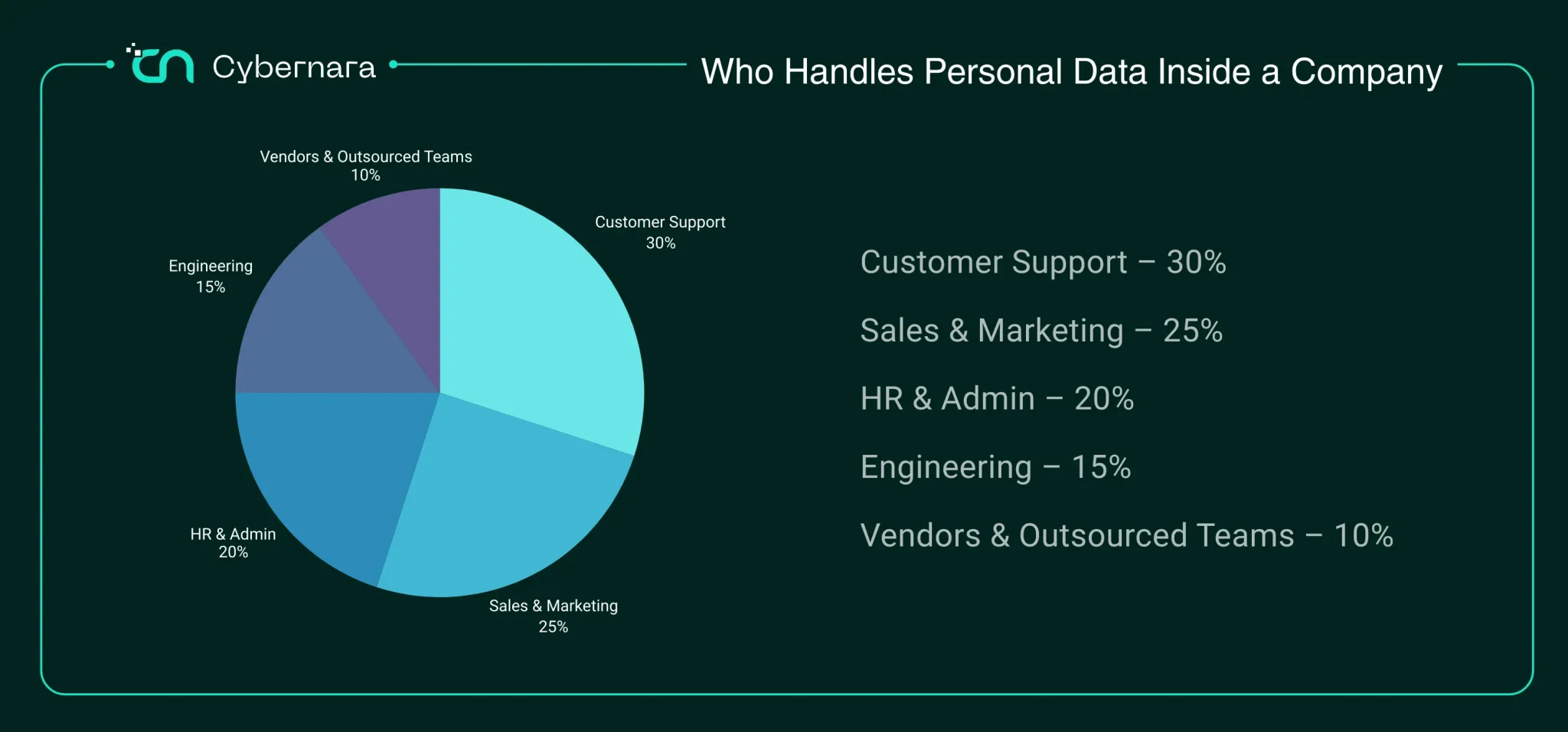
Who Handles Personal Data Inside a Company?
Personal data is not handled by one team. It moves daily through support, sales, HR, engineering, and vendors. DPDPA compliance only works when controls extend beyond IT into every function that touches data.
Clients Who Trust Us






Consent, Notices, and Data Collection Fixes
Many businesses already collect personal data through websites, apps, forms, or messaging platforms. The challenge is usually how clearly the purpose is communicated and how consistently consent is handled across channels. This part of implementation focuses on improving user-facing touchpoints so data collection feels clear and transparent. Small adjustments here often create the biggest visible improvement.
Making Consent Language Easier to Understand
Consent requests are often written in complex or legal wording. Simplifying the language helps users understand what they are agreeing to. Clear wording also reduces confusion for internal teams managing the data later.
Aligning Forms Across Channels
Businesses may collect information through website forms, WhatsApp messages, offline forms, or mobile apps. These channels often evolve separately over time. Aligning them helps create a consistent experience for users.
Updating Notices at the Point of Collection
Privacy notices are more effective when shown at the moment data is collected rather than hidden elsewhere. Small placement changes in forms or apps can make notices more visible and meaningful.
Reviewing Optional vs Required Data Fields
Many forms collect more information than necessary because fields were added over time. Reviewing what is truly needed helps simplify forms and reduces unnecessary data storage.
Handling Marketing and Communication Consent
Email, WhatsApp, and SMS campaigns often run through multiple tools. Ensuring consent choices are captured clearly across these channels helps teams communicate responsibly.
Supporting Regional and Practical Use Cases
In India, businesses may use bilingual forms or collect data through informal channels like chat apps. Adjusting consent and notices for these realities helps implementation feel practical rather than theoretical.
Consent and data collection fixes are often small but highly visible improvements. They help businesses build clarity for users while making internal data handling more consistent.
Implementing DPDP Support Across Teams
Aligning Operations and IT Teams
Operations teams understand how work flows daily, while IT teams manage systems and access. Bringing both together helps ensure changes are practical and technically workable. This collaboration keeps implementation realistic.
Including HR and Employee Data Processes
HR teams manage sensitive employee information through recruitment, payroll, and internal systems. Aligning these workflows with DPDP practices helps create consistency across internal data handling.
Supporting Sales and Marketing Activities
Sales and marketing teams often collect leads through campaigns, forms, and messaging platforms. Helping these teams understand updated consent and communication processes keeps outreach smooth and organised.
Strengthening Customer Support Workflows
Support teams regularly access personal data while resolving customer issues. Clear guidelines help them handle information confidently without slowing down response times.
Defining Clear Internal Responsibilities
When roles are unclear, implementation tasks tend to pause. Assigning simple responsibilities across teams helps everyone know where they fit in the process.
DPDP support across teams makes implementation sustainable. When departments work together with clear roles and simple guidance, compliance becomes part of normal operations rather than a separate effort.
Services Our Clients Trust Us With
Our Core Services
IT and Infrastructure Services
Cloud and Platform Services
Security and Compliance Services
Development, Data and AI Services
FAQs
How long does DPDP implementation usually take?
It depends on the size of the business and how data is currently managed. Many organisations start with quick operational fixes and then move into larger process updates over time. The work is usually phased so normal business activities continue smoothly.
Will we need to change all our existing tools and systems?
In most cases, no. Implementation often focuses on improving how existing tools are used rather than replacing them. Small process changes, clearer workflows, and better documentation usually make a big difference.
Does this only apply to digital businesses?
No. Any business collecting or handling personal data in India may need operational improvements. This can include online forms, spreadsheets, vendor systems, or even offline data collection processes.
Who inside our company needs to be involved?
Implementation typically involves operations, IT, HR, marketing, and management teams depending on how data flows in the organisation. Each team usually contributes small changes rather than large separate projects.
Making Teams Compliant Since 2019
Get Started With a DPDP Readiness Check
Got Data?
Got Infra?
Got Cloud?
We protect it all.
Security that works actively in the background.
Cloud • Infrastructure • Platforms • APIs • Networks • Data • Applications • Endpoints • Identities • Workloads • Logs • Access • Integrations • Storage • Environments • Logs