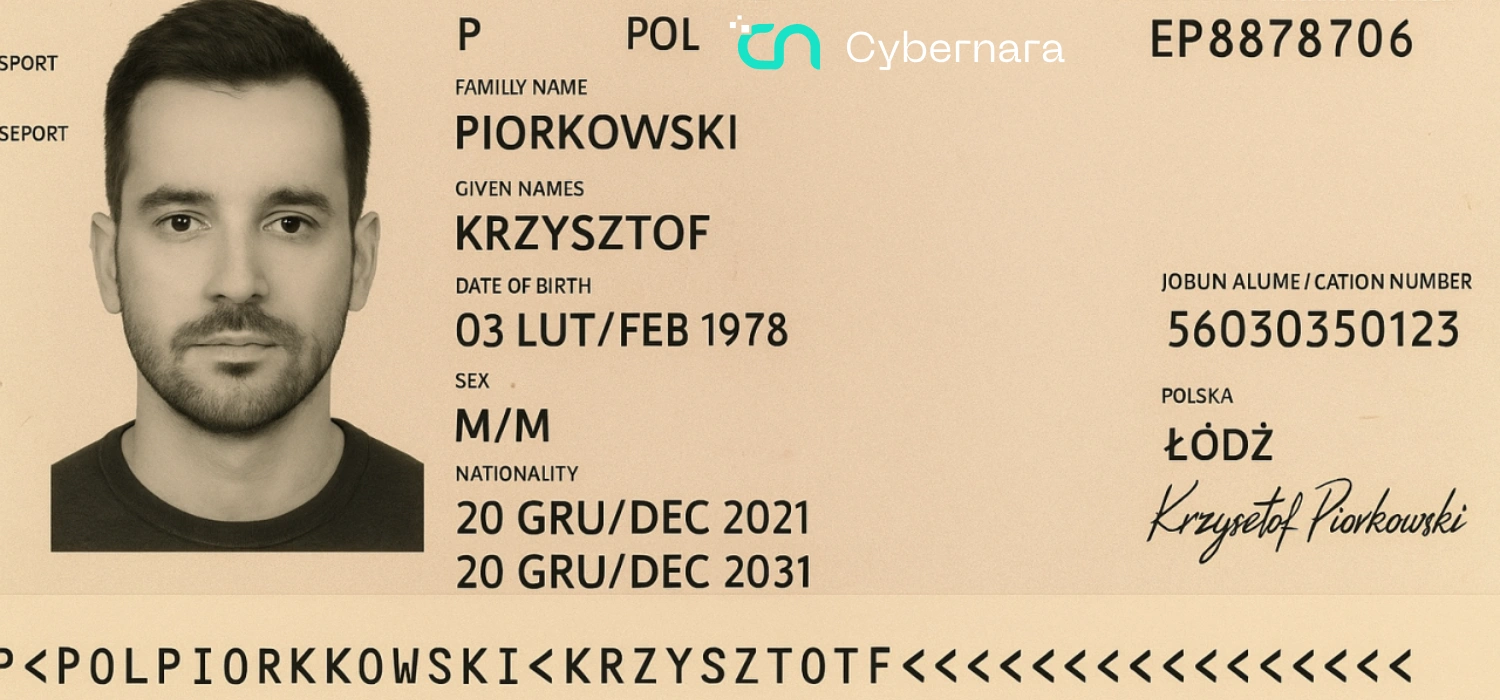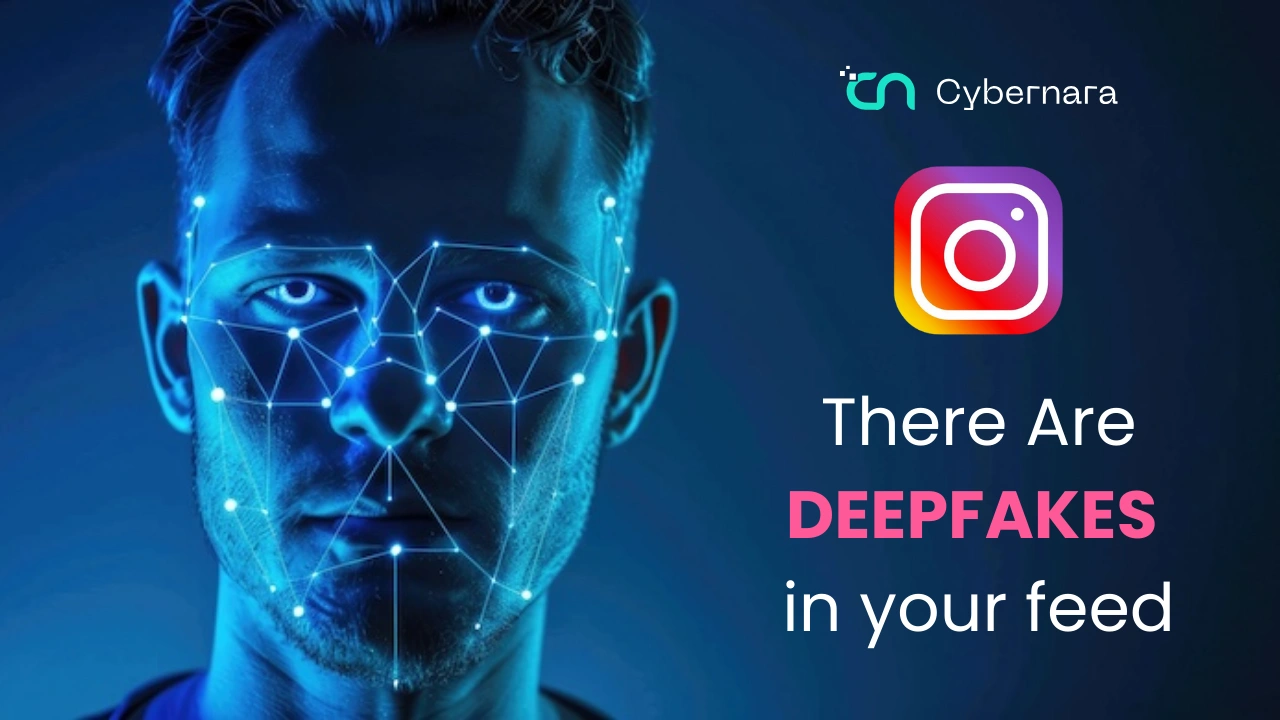

Imagine if Photoshop could talk like you, move like you, and fool your boss into thinking you said something you didn’t.
Welcome to the next level of deepfake tech.
Now casually embedded in your social media apps.
What Just Happened?
This week, Meta quietly dropped a new feature on Instagram.
It can:
- Translate your voice into another language
- Sync your lips to match the translated audio
Sounds helpful, right?
Break language barriers.
Go global.
Speak French without learning “bonjour.”
But here’s the flip side…
You just gave AI the power to clone your voice and face and turn it into a deepfake engine, live on your phone.
The Bigger Concern
This isn’t about a cool translation tool.
It’s about deepfake AI entering consumer apps, not just research labs.
And that opens a can of cyber worms:
- Who owns the AI copy of your face and voice?
- Where is that data stored?
- Who keeps it secure?
- Can anyone now make a fake video of you in Mandarin, Russian, or Hindi and nobody notices?
Even scarier:
Will viewers know it’s a translation if there’s no disclaimer?
Why This Matters
Deepfakes are no longer reserved for nation-state actors, research labs, or well-funded cybercriminals.
The barrier to entry is collapsing.
What once required specialized tools, expensive hardware, and technical expertise can now be created inside everyday consumer applications.
That changes the threat landscape.
For individuals, it creates new risks around identity theft, impersonation, and reputation damage.
For businesses, it introduces fresh challenges around executive impersonation, social engineering, and misinformation campaigns.
The technology is getting better.
The human ability to spot it is not.
The Cybernara View
At Cybernara, we see this as a major trust gap.
AI innovation is outpacing security awareness.
And the tools that once needed labs and GPUs now need just a selfie and your phone’s microphone.
We believe the first defense is awareness.
The next is building guardrails that protect your voice, your face, and your brand.
Because in the AI era, identity is becoming one of the most valuable assets to protect.
TL;DR
- Meta introduced an Instagram feature that translates your voice and synchronizes lip movements
- Great for creators, but it significantly lowers the barrier for deepfake-style content
- Risks include identity theft, reputation attacks, impersonation, and misinformation
- Deepfake technology is moving from specialized environments into mainstream consumer apps
- Trust and technology are now on a direct collision course
Your Move
Do you see this as creator empowerment or a deepfake disaster waiting to happen?
If you’d like help navigating this or improving your security posture, reply to this email or reach out to Cybernara.