In the current world, James Bond doesn’t need Q’s fancy gadgets anymore.
Just ChatGPT.
Because that’s what happened last week.
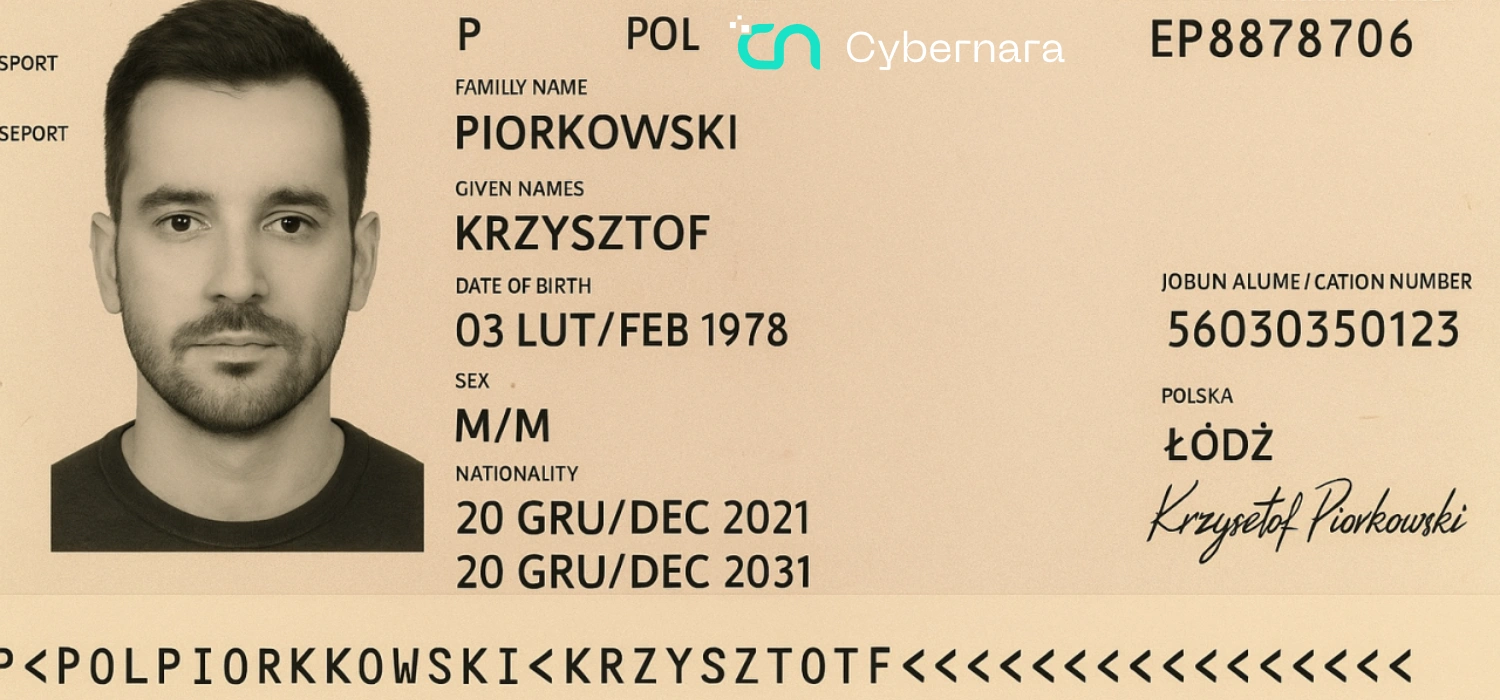
A security researcher created a completely fake passport using AI and it passed a real-world identity check.
1. Lack of Employee Awareness and Training
One of the biggest vulnerabilities in any organization is its peo
What Happened?
Daniel McGuire, a researcher with too much curiosity (and access to GPT), ran a dangerous experiment:
Could AI forge a passport that looks real enough to fool modern identity systems?
- He used ChatGPT to generate a clean persona: name, birthdate, nationality
- He used AI image tools to create a matching fake photo
- He uploaded it to a real identity verification API, the kind used in airports and online banking
And boom.
The system said:
“Welcome aboard.”
Why This Is a Big (Scary) Deal
No hacks.
No dark web magic.
No custom malware.
Just mainstream AI tools.
Let that sink in.
A few months ago, we were asking ChatGPT to write haikus.
Now AI is generating synthetic passports that can clear sophisticated identity verification checks.
And the risk isn’t hypothetical:
- Identity theft at scale
- Border security bypass attempts
- Fraudulent account creation across financial institutions
- Weaponized misinformation powered by synthetic identities
The New Reality of Digital Trust
For years, organizations treated government-issued IDs as a strong trust signal.
Now that assumption is being challenged.
When AI can generate realistic faces, believable identities, and convincing documents, verification becomes much harder.
The question is no longer:
“Is this document real?”
The question is:
“Can we trust the process used to verify it?”
That’s a very different problem.
Are Our Defenses Already Outdated?
This incident exposes a difficult truth:
AI isn’t just helping attackers.
It’s moving faster than many defensive systems.
The technologies designed to detect fraudulent documents were largely trained on traditional forgeries.
Now they’re facing AI-generated identities built specifically to look authentic.
And the gap is growing.
As McGuire put it:
“AI models are better at mimicking reality than our systems are at detecting fakes.”
That should concern every organization that relies on digital identity verification.
Why Businesses Should Pay Attention
This isn’t just a government problem.
It affects:
- Banks and fintech platforms
- Insurance providers
- E-commerce marketplaces
- Hiring and recruitment platforms
- Travel and hospitality companies
- Any business that relies on Know Your Customer (KYC) processes
If identity verification becomes easier to manipulate, fraud becomes easier to scale.
The Cybernara View
If your security stack relies on facial recognition, ID verification APIs, or basic document checks, you should assume AI-assisted fraud is already part of the threat landscape.
Here’s how we’re helping clients respond:
- Integrate AI-powered forgery and deepfake detection systems
- Add multiple trust signals beyond a single passport or ID scan
- Strengthen identity workflows with layered verification controls
- Develop governance and guardrails for generative AI use in high-risk environments
AI isn’t going away.
But blind trust in automated verification should.
TL;DR
- A researcher used ChatGPT and AI image tools to create a convincing fake passport
- The synthetic identity reportedly passed a real-world identity verification process
- No hacking or malware was involved
- AI-generated identity fraud is becoming more realistic and scalable
- Traditional identity verification systems may struggle to detect AI-created documents
- Organizations need stronger, multi-layered verification workflows
Want to Future-Proof Your Identity Verification Process?
If you’d like help navigating this or improving your security posture, reply to this email or reach out to Cybernara.
We’ll help make sure your identity checks don’t fall for fake faces.
ple. If your employees aren’t educated about the risks of cyber attacks and the importance of cybersecurity, your company is at a higher risk.
- Employees who click on suspicious links, use weak passwords, or are unaware of phishing schemes can inadvertently open the door to cybercriminals.
- Regular training sessions are essential. Without them, your staff might not recognize suspicious activities or know how to report them.
- Simple mistakes by employees are often the cause of successful cyber breaches. Ensuring everyone is informed and vigilant is your first line of defense.
The less your team knows about cyber threats, the more exposed your business is. Making cybersecurity awareness part of your company culture is crucial.